
OurGalleries
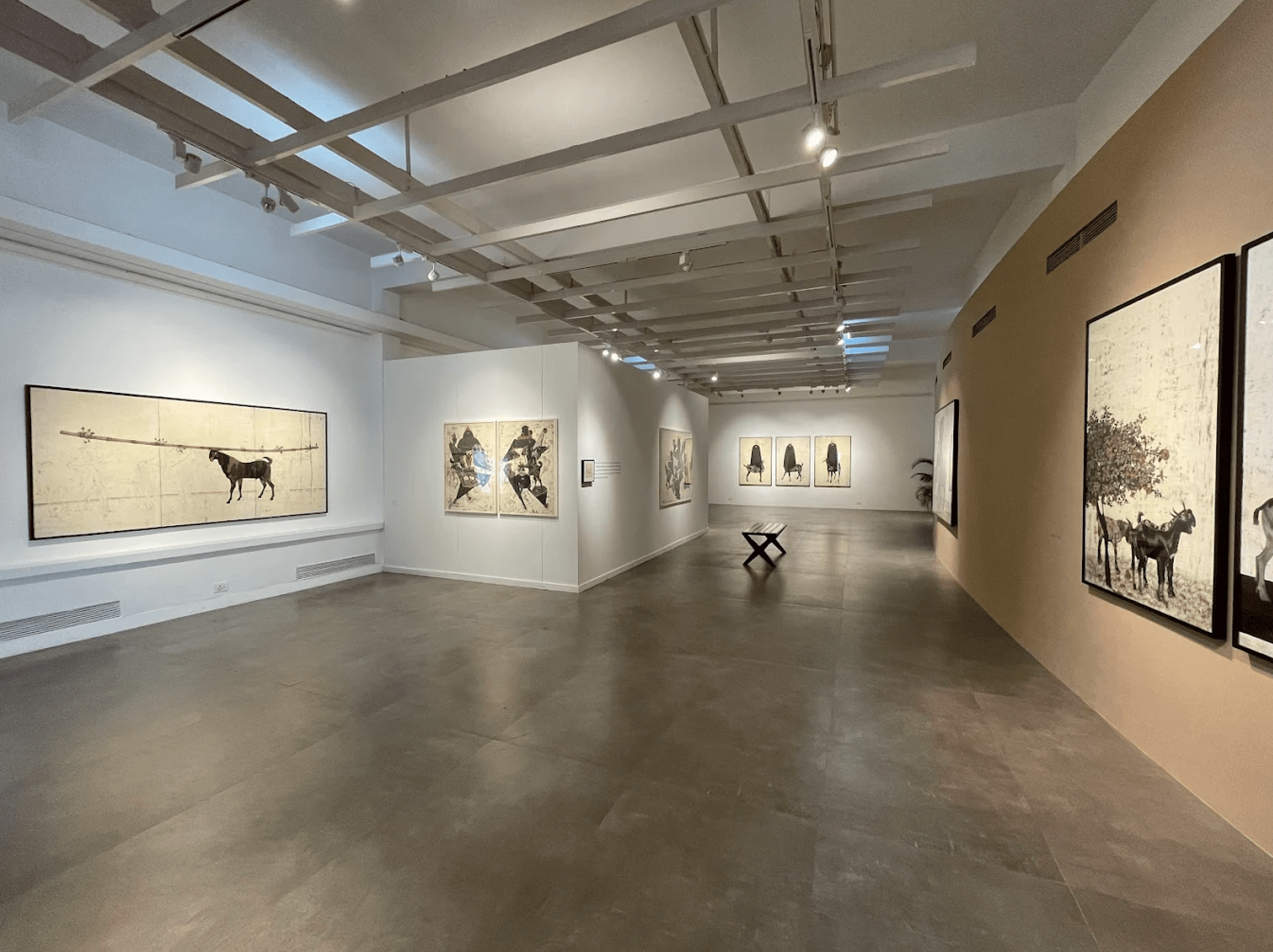
Shridharani Gallery
Shridharani Gallery, the principal exhibition space of Triveni Kala Sangam in New Delhi, occupies a distinguished place in India's art landscape. Since the inauguration of the Triveni Arts Complex in 1963, the Gallery has served as a vital platform for modern and contemporary Indian art, presenting exhibitions by generations of established and emerging artists.
Located in one of Delhi's most beautiful buildings, Triveni Kala Sangam, the Art centre was conceived and built by Mrs.Sundari K. Shridharani. The space serves as a venue for artistic dialogue and experimentation with teachings in various disciplines.
Over the decades, the gallery has welcomed countless painters, sculptors, photographers, and multidisciplinary practitioners, contributing significantly to the city's artistic and intellectual life.
The gallery is named after Krishnalal Shridharani (1911–1960), the renowned freedom fighter, poet, playwright, journalist, and author of 'My India, My America' (1934) and 'War Without Violence' (1939), a landmark study of Gandhian non-violent resistance. A participant in India's independence movement and an influential public intellectual both in USA and India.
The request for naming it Shridharani Gallery was made by Shri Morarji Desai, then the Prime Minister of India after passing away of Dr. Krishnalal Shridharani in 1960.
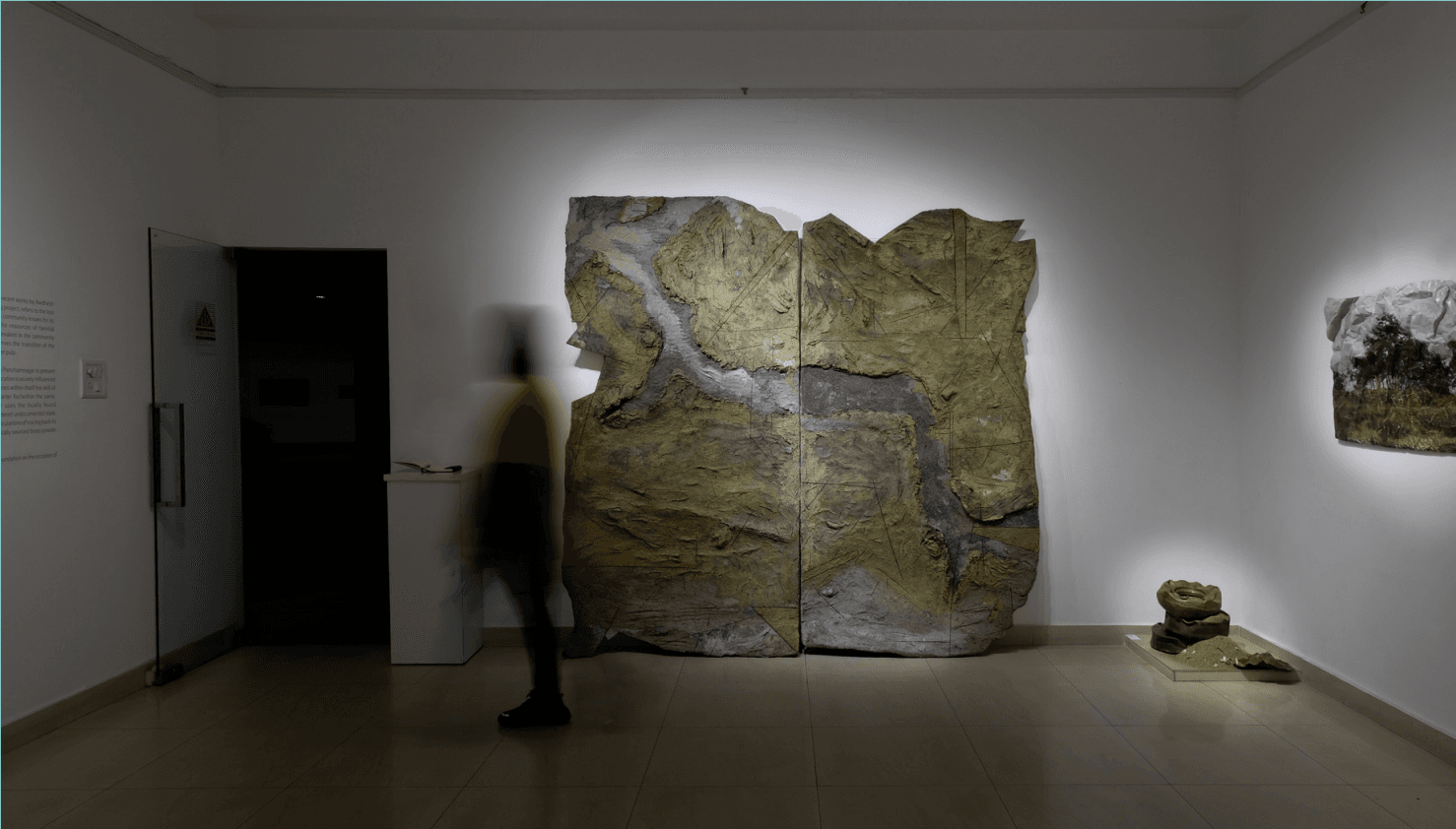
Triveni Gallery
Triveni Gallery is an integral part of Triveni Kala Sangam, one of India's most significant centres for the arts. Conceptualised by Sundari K. Shridharani and housed within the iconic cultural complex designed by architect Joseph Allen Stein in New Delhi, the gallery has long provided a welcoming platform for artists at various stages of their careers. Known for being one of the more accessible exhibition spaces within the institution, it has played an important role in supporting emerging artists by offering opportunities to present their work to diverse audiences. As part of Triveni's larger vision of fostering artistic dialogue across disciplines, the gallery continues to encourage meaningful engagement between artists, audiences, and the wider cultural community.
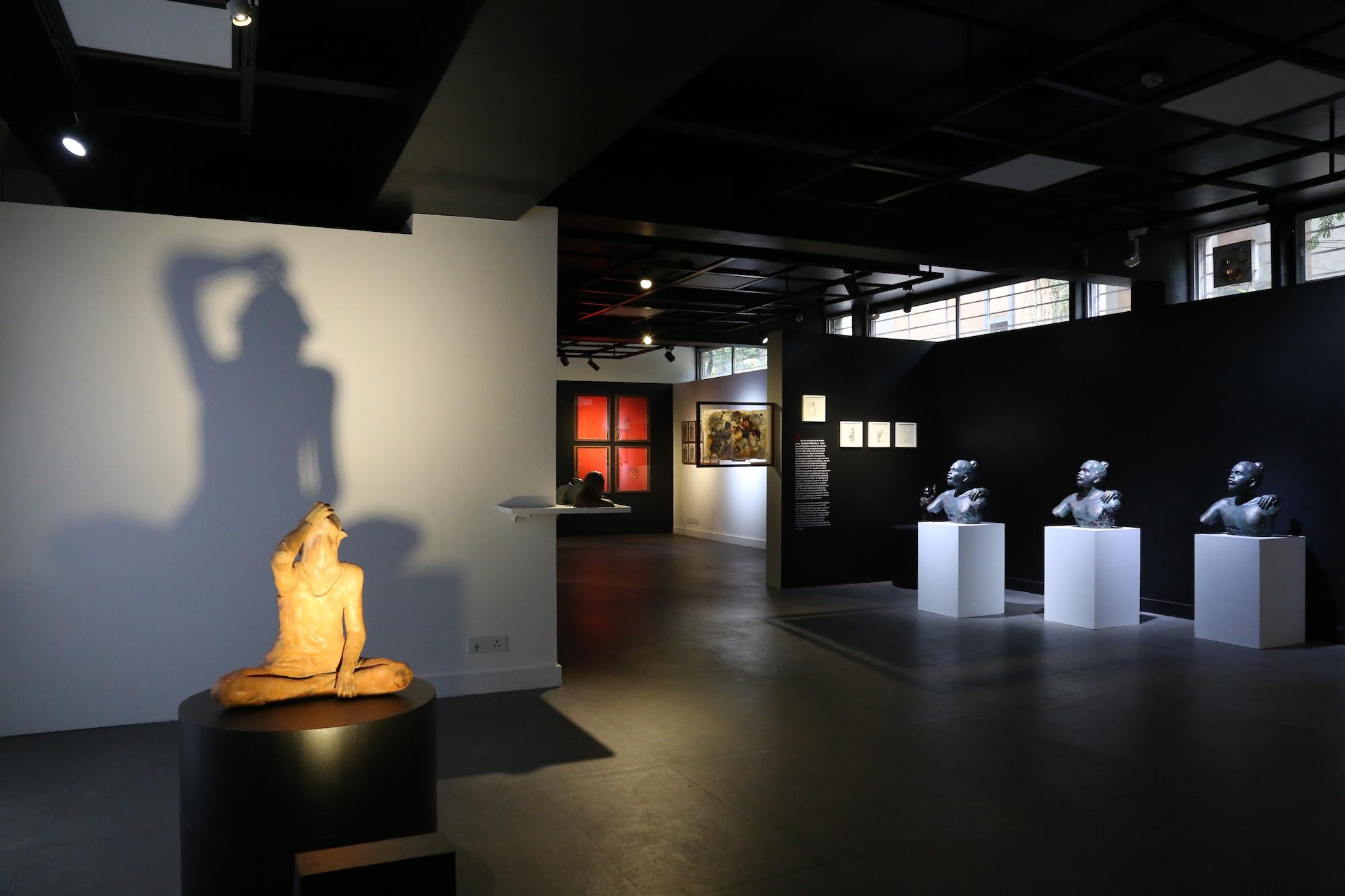
Art Heritage
Located in the iconic Joseph Allen Stein–designed Triveni Kala Sangam in New Delhi, Art Heritage is dedicated to advancing modern and contemporary Indian art. Established with a dual mandate of commerce and education, we seek to foster both the appreciation and acquisition of art, creating a deeper engagement between artists and audiences.
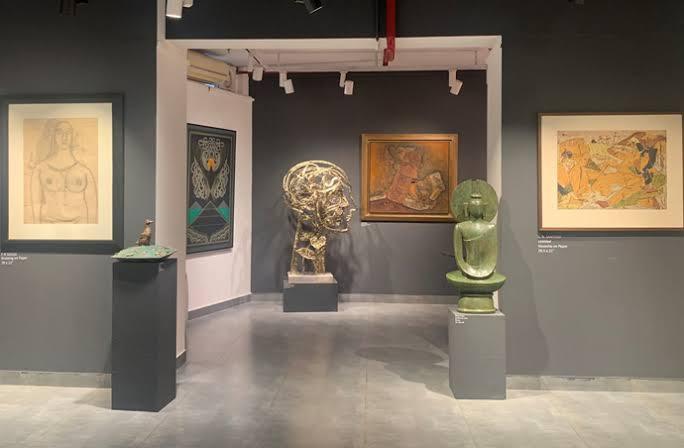
Art Pilgrim
The Journey of Art Pilgrim began two decades ago. We now bring together exciting exhibitions of Emerging and Established Artists in the Indian Contemporary art scene in our gallery spaces, Art Pilgrim -I, Art Pilgrim - II and Art Pilgrim Sculpture Court at the Triveni Kala Sangam.
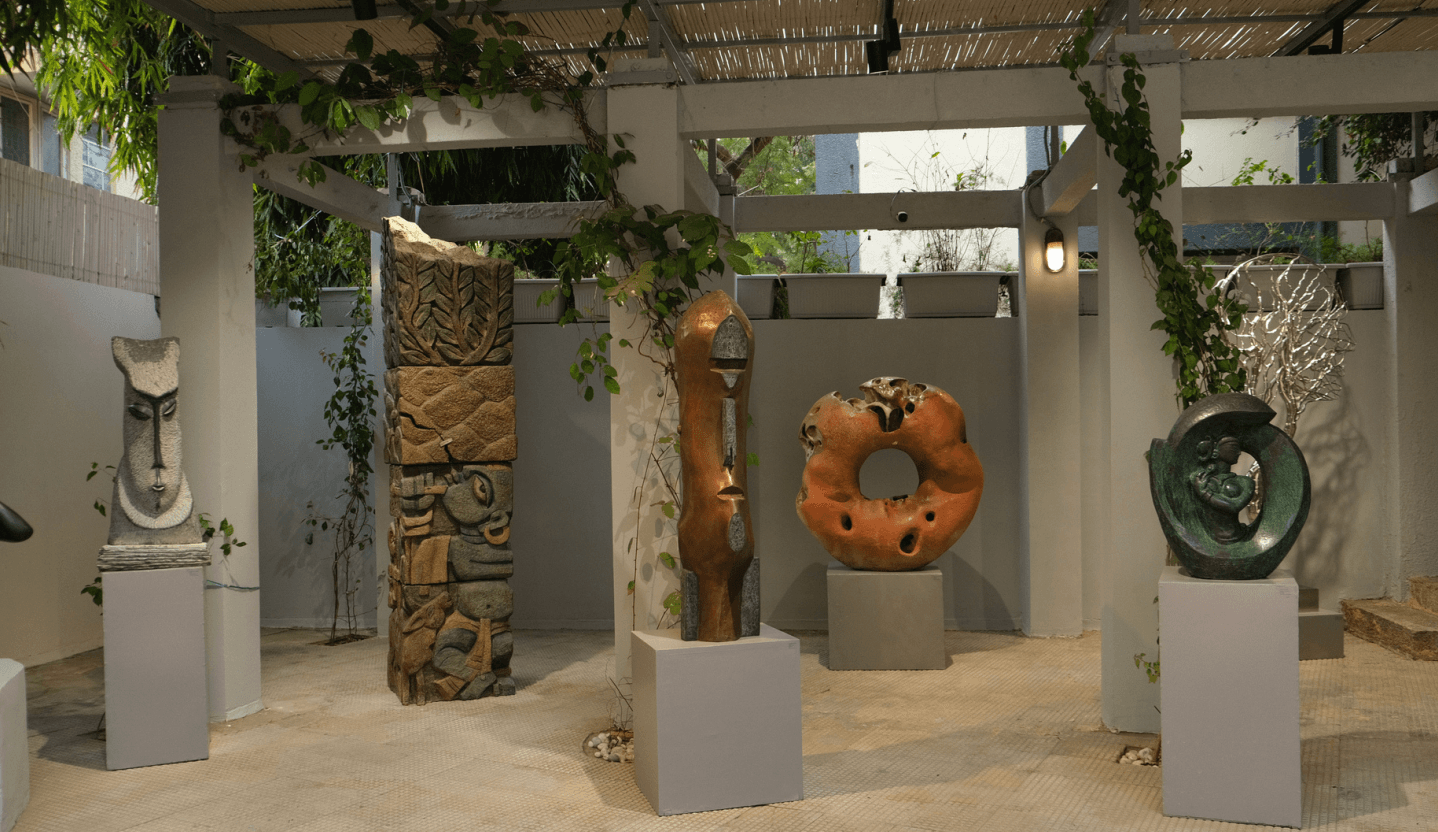
Sculpture Garden
Curated by Art Pilgrim’s Director, Geeta Singh, this collection celebrates the artistry and diversity that is the essence of Indian art. The sculptures are poetry rendered in bronze, black marble, stainless steel, wood, ceramic, fibreglass, and terracotta.
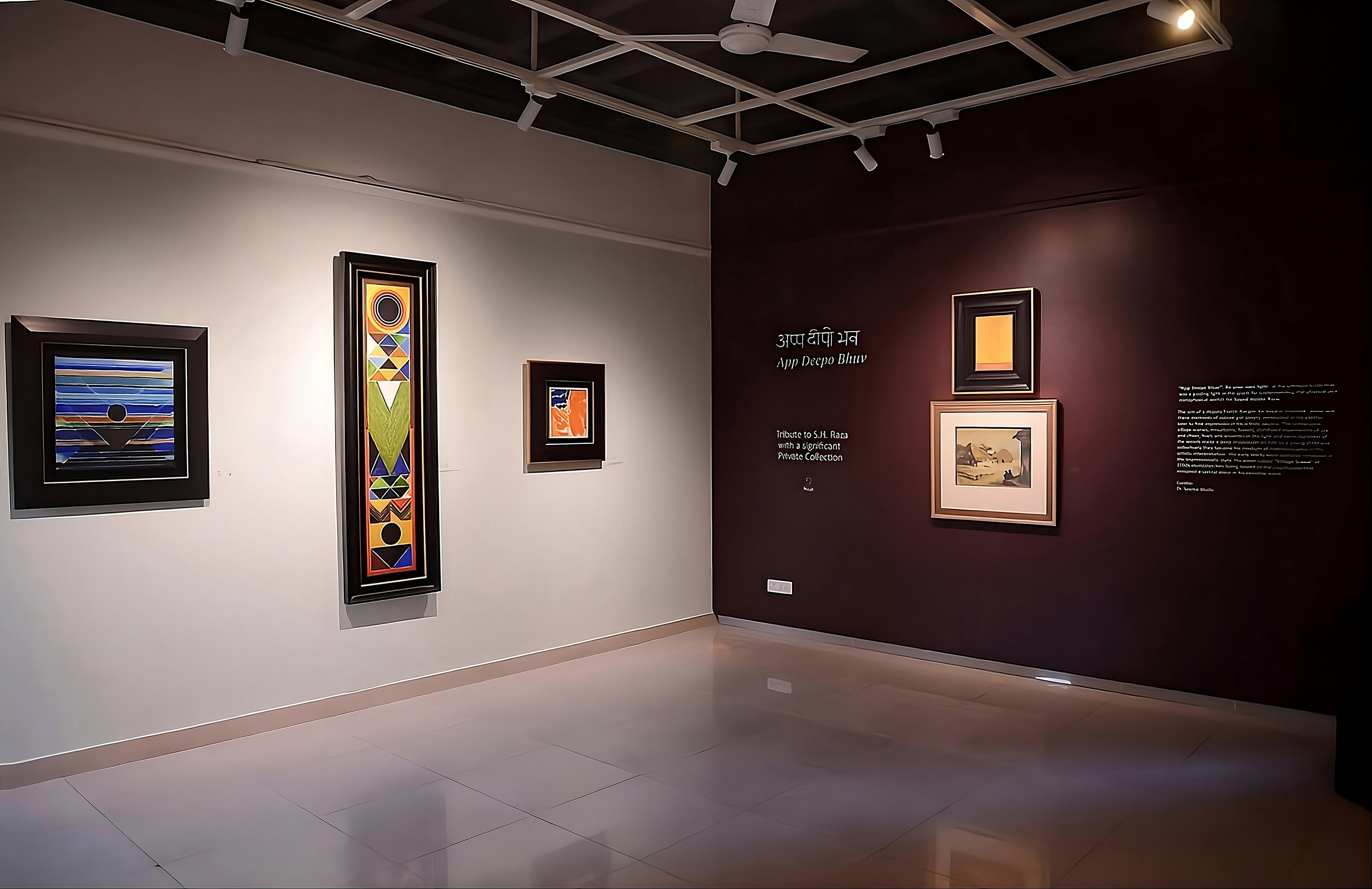
Gallerie Nvya
Gallerie Nvya, a celebrated art gallery in New Delhi, was founded in 2004 by Mrs Tripat Kalra. The gallery's founding principle was to create a platform that actively supports and showcases emerging artists, nurturing the development of their creative practices. It is committed to presenting a diverse spectrum of artistic expression, featuring a thoughtful blend of modern, contemporary, new age, and experimental art movements. Now, gracefully guided by the next generation, Mrs Meher Kalra, as Director, Galleri Nvya, continues its mission of excellence. Its core focus shines on showcasing the profound works of Masters’ and senior artists while also enthusiastically discovering and nurturing new talent.
From its foundational space in Friends Colony, the gallery has embarked on a remarkable journey of expansion. Driven by continuous success, its footprint now spans prominent spaces in Saket and a dedicated venue at the beloved Triveni Kala Sangam. The gallery has seamlessly integrated art into elite environments, establishing a prestigious presence within the Reserved Lounge at IGI Airport, the GA Lounge at RGIA Hyderabad, and Ahmedabad Airport. Furthermore, successful collaborations with luxury corporate venues include Gurugram’s premier developments, DLF Magnolias and Two Horizon Centre.
Over the past two decades, Gallerie Nvya has enriched the art world by hosting numerous important exhibitions and retrospectives of senior artists, always complemented by serious academic publications. This dedication to scholarly discourse is highlighted by its association with an illustrious roster of eminent scholars and curators, including Dr Alka Pande, Prof Rajeev Lochan, Prof. B. N. Goswami, Prof Ashis Nandy, Prof Seema Bawa, Ms Sushma Bahl, Mr. Ranjit Hoskote, Ms Ina Puri, Ms Uma Nair, and Ms Priya Pall, among many others.
Shridharani Gallery
Triveni Gallery
Art Heritage
Art Pilgrim
Sculpture Garden
Gallerie Nvya
Shridharani Gallery
Shridharani Gallery, the principal exhibition space of Triveni Kala Sangam in New Delhi, occupies a distinguished place in India's art landscape. Since the inauguration of the Triveni Arts Complex in 1963, the Gallery has served as a vital platform for modern and contemporary Indian art, presenting exhibitions by generations of established and emerging artists.
Located in one of Delhi's most beautiful buildings, Triveni Kala Sangam, the Art centre was conceived and built by Mrs.Sundari K. Shridharani. The space serves as a venue for artistic dialogue and experimentation with teachings in various disciplines.
Over the decades, the gallery has welcomed countless painters, sculptors, photographers, and multidisciplinary practitioners, contributing significantly to the city's artistic and intellectual life.
The gallery is named after Krishnalal Shridharani (1911–1960), the renowned freedom fighter, poet, playwright, journalist, and author of 'My India, My America' (1934) and 'War Without Violence' (1939), a landmark study of Gandhian non-violent resistance. A participant in India's independence movement and an influential public intellectual both in USA and India.
The request for naming it Shridharani Gallery was made by Shri Morarji Desai, then the Prime Minister of India after passing away of Dr. Krishnalal Shridharani in 1960.